


How Often Should Gutter Contractors Clean Gutters in Atlanta
This is one of the most common questions gutter contractors hear in Atlanta, and the honest answer usually surprises people.
There isn’t one “correct” schedule.
Some homes really do need their gutters cleaned twice a year. Others need attention far more often. A few can go longer without issues. It depends less on the calendar and more on what’s around your house and how your roof sheds debris.
Atlanta’s mix of trees, storms, and long pollen seasons makes gutter cleaning less predictable than homeowners expect.
Why Atlanta Homes Get Clogged So Easily
Atlanta has a lot working against it when it comes to gutters. Mature trees drop leaves, twigs, seed pods, and pine needles. Spring pollen coats everything in a fine yellow layer that packs down inside gutters. Summer storms move debris fast, and fall piles it up again.
Contractors see the same pattern over and over: gutters that look fine from the ground but are already half full when they’re finally checked. That buildup doesn’t just block water. It adds weight, strains fasteners, and shortens the system's lifespan.
This is why experienced gutter contractors in Atlanta rarely give blanket advice without first seeing the property.
Tree Coverage Matters More Than Most People Realize
The number one factor in how often gutters need cleaning is what’s hanging over your roof.
Homes surrounded by pine trees or hardwoods usually need cleaning more often than homeowners expect. Pine needles are especially tricky because they don’t flush out easily. They tangle together, trapping everything else behind them.
If branches overhang the roofline, debris doesn’t just fall once a season. It falls constantly. In those cases, waiting six months between cleanings often leads to overflow problems before the next scheduled service.
Roof Type Changes Everything
Contractors also closely examine roof materials and design.
Steeper roofs tend to shed debris faster, so gutters fill up more quickly. Shingle roofs shed granules over time, which mix with leaves and pollen, creating a heavy sludge that blocks water flow.
Metal roofs behave differently. They shed debris more cleanly, but when that debris hits the gutters, it arrives all at once. Valleys and roof transitions can also funnel debris into specific sections, causing localized clogs that aren’t obvious from the ground.
This is why two homes on the same street can need completely different cleaning schedules.
What Happens When Gutters Aren’t Cleaned Often Enough
Most gutter problems don’t start with dramatic failure. They start quietly.
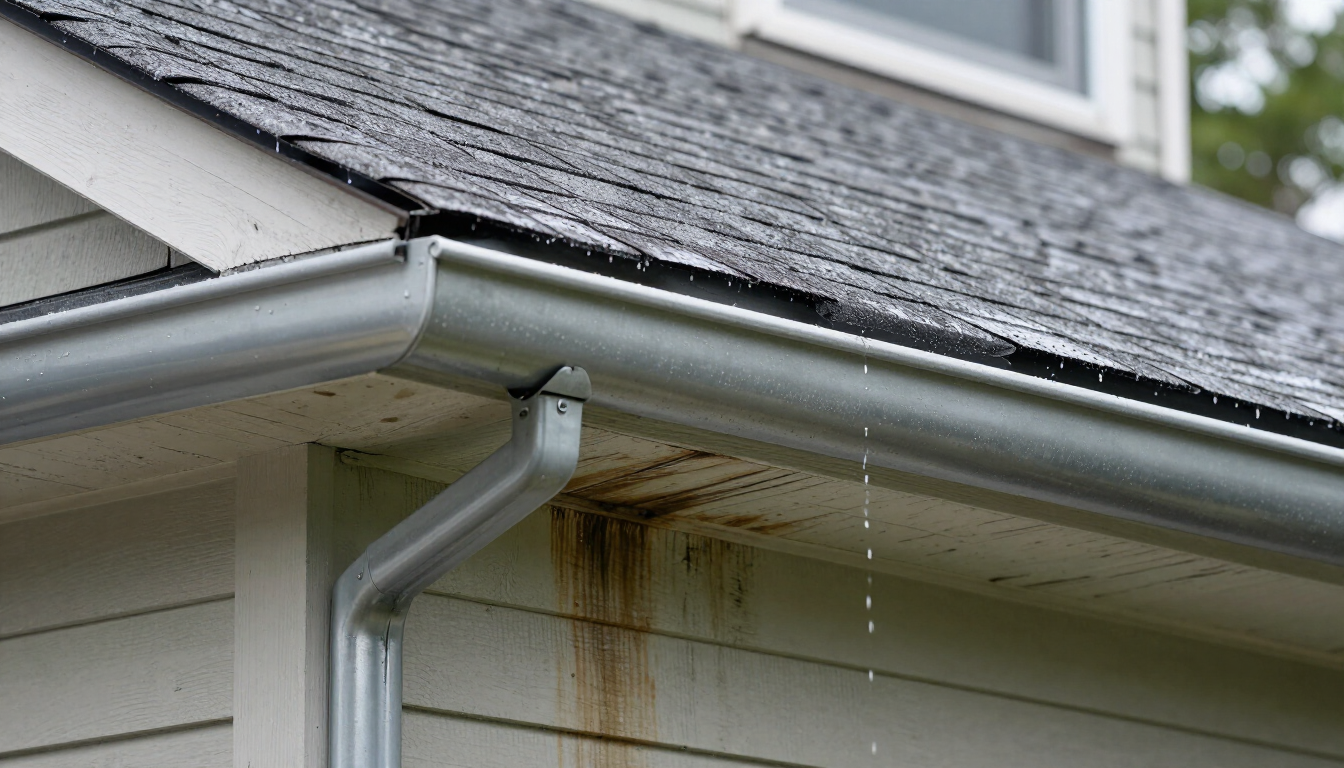
Water spills over during heavy rain. Small leaks appear at seams. Gutters hold water longer than they should. Over time, that extra weight causes sagging or pulls gutters away from the house.
Contractors often arrive for what homeowners think is a simple cleaning, only to find that neglected buildup has already caused damage. At that point, cleaning alone isn’t enough.
Regular service through professional gutter contractors helps catch these issues before they turn into repairs or replacements.
So, How Often Is “Normal” in Atlanta?
If contractors had to give a general range, most Atlanta homes fall somewhere between two and four cleanings per year. Homes with heavy tree coverage sometimes need more frequent attention, especially during fall and after storm season.
The key thing contractors emphasize is consistency. Skipping cleanings because gutters “seem fine” is how small problems turn into expensive ones.
This is also why many homeowners ask whether they can just handle it themselves.
When Contractors Say DIY Isn’t Worth the Risk
Cleaning gutters looks simple until you’re on a ladder dealing with wet debris, awkward angles, and slippery surfaces. Contractors see many injuries from DIY attempts, especially in multi-story homes.
There are also cases where homeowners accidentally damage gutters while cleaning, loosening fasteners, or bending sections without realizing it.
If you’re debating whether to do gutter repairs yourself or call a pro, it’s important to know when you can safely handle the project and when even gutter contractors would recommend against taking the risk.
Final Thoughts From Atlanta Gutter Contractors
Gutter cleaning in Atlanta isn’t about sticking to a fixed schedule. It’s about paying attention to your surroundings, your roof, and how your system responds to rain.
The right frequency depends on trees, roof type, and weather exposure—not guesswork. Contractors who work on Atlanta homes every day base their recommendations on what they see fail most often, not on generic advice.
Staying ahead of debris buildup is one of the simplest ways to protect your gutters, your home, and your wallet. When in doubt, asking experienced gutter contractors is always better than waiting for the next storm to tell you something’s wrong.
You might also like
Gutters 4 Less Blog