


Are DIY Gutters Worth It in Atlanta? When Gutter Contractors Say “Don’t Risk It”
DIY gutters sound appealing at first. You see complete ready-to-install kits online, maybe watch a couple of videos, and it feels manageable. Measure, cut, hang, done. On paper, it appears cheaper.
But if you ask most gutter contractors in Atlanta, they’ll tell you the same thing: DIY gutters work in very specific situations. Outside of that, they often create more problems than they solve.
The reason has less to do with skill and more to do with Atlanta homes, weather, and how gutters actually fail over time.
Why DIY Gutters Look Easier Than They Are
From the ground, gutters don’t look complicated. They’re just channels that move water, right?
What you don’t see is how sensitive they are to slope, spacing, and fastening. A gutter that’s off by even a small amount won’t drain properly. Water sits. Debris builds up—weight increases. Then the gutter starts to sag or pull away.
Contractors don’t guess at this. They measure pitch, check roofline transitions, and plan downspout placement before anything goes up.
Most DIY installs skip that step entirely, not because homeowners don’t care, but because they don’t know it matters.
Atlanta Weather Makes Mistakes Show Up Fast
Atlanta isn’t forgiving when it comes to gutters.
Heavy rain doesn’t gently test a system—it stresses it immediately. If water can’t move fast enough, it spills over. If fasteners aren’t secure, they loosen. If debris builds up, weight adds up quickly.
A DIY installation that seems fine during light rain often fails during the first real storm. Contractors see this pattern every year, especially after summer downpours and fall leaf season.
That’s one reason experienced gutter contractors in Atlanta are cautious when homeowners ask if DIY is “good enough.”
Where DIY Gutters Usually Go Wrong
Most contractor call-backs related to DIY gutters fall into a few categories. Gutters aren’t pitched correctly, so water sits instead of flowing. Fasteners are spaced too far apart, causing sagging. Downspouts are placed where it’s convenient, not where water actually needs to go.
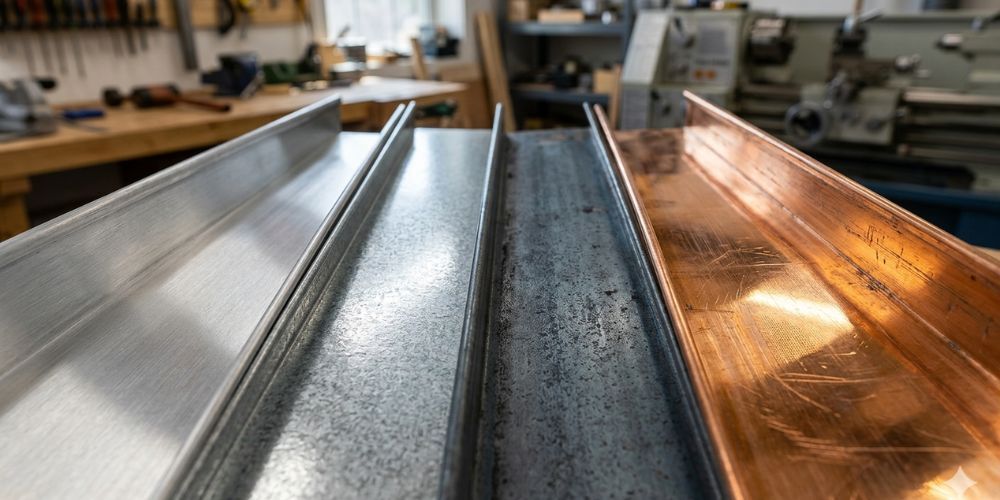
Another common issue is mixing materials or using lighter-gauge gutters that bend under the weight of debris. These problems don’t always show up right away, which makes them harder to catch early.
By the time a contractor gets called, the issue is no longer just installation; it’s damage control.
The Safety Side Most People Don’t Think About
This part usually gets brushed off until something almost goes wrong.
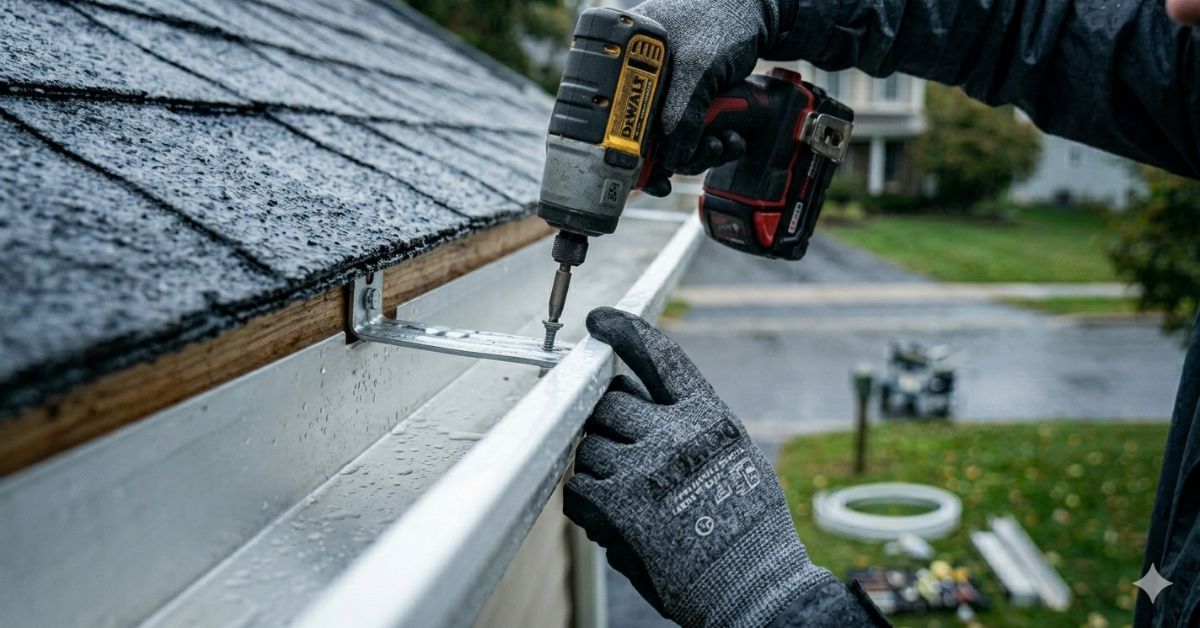
Ladders, uneven ground, wet debris, and awkward roof angles don’t mix well. Contractors see plenty of injuries every year from DIY gutter attempts, especially on two-story homes.
Even confident homeowners underestimate how tiring gutter work can be. Fatigue leads to shortcuts. Shortcuts lead to mistakes. That’s when accidents happen.
This is one of the main reasons contractors say DIY might save money upfront, but it carries real risks that aren’t always obvious at the start.
When DIY Gutters Might Actually Be Okay
To be fair, there are situations where DIY can work.
Single-story homes with simple rooflines, minimal tree coverage, and light rainfall exposure are lower risk. If the gutters are short runs and easy to access, a careful homeowner can make it work.
Even then, contractors usually recommend keeping expectations realistic. DIY systems often require more frequent maintenance and adjustments over time.
For anything more complex, professional installation tends to cost less in the long run.
Why Contractors Recommend Seamless Gutters Instead
One big reason DIY struggles in Atlanta is that most kits are sectional. Seams are where leaks start. That’s why contractors strongly favor seamless systems.
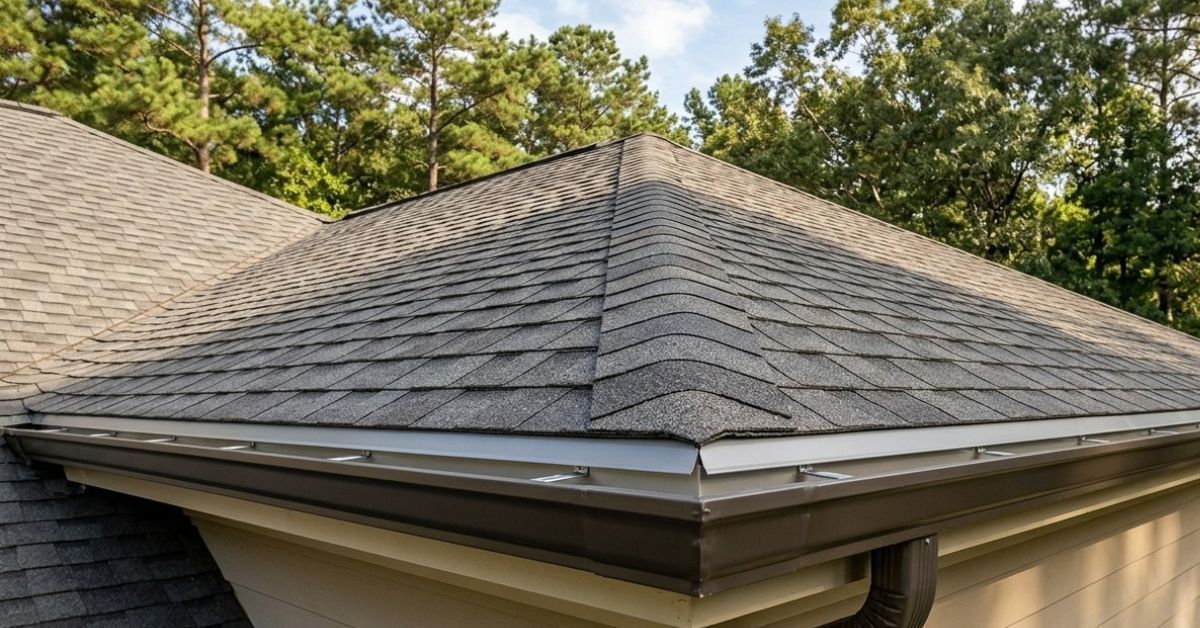
Seamless gutters are formed on-site, custom-fit to the home, and installed as continuous runs. They reduce weak points and handle heavy water flow better.
If you’re weighing options, this article on seamless gutter installation in Atlanta explains why contractors consistently recommend them—and why DIY alternatives often fall short.
Cost vs Value: The Part DIY Doesn’t Account For
DIY gutters usually cost less upfront. There’s no arguing that.
What often gets missed is the cost of repairs, adjustments, water damage, or eventual replacement when the system doesn’t hold up. Contractors frequently replace DIY gutters within a few years, sometimes sooner.
At that point, homeowners end up paying twice.
Professional installation isn’t just about convenience. It’s about getting a system designed for Atlanta conditions and installed to withstand them.
Final Thoughts From Gutter Contractors in Atlanta
DIY gutters aren’t automatically a bad idea—but they’re rarely the best idea in Atlanta.
The combination of heavy rain, tree debris, and complex rooflines means small installation mistakes don’t stay small for long. Contractors see the same failures repeatedly, and most of them start with good intentions.
If your home is simple and accessible, DIY might be worth considering. If not, working with experienced gutter contractors is usually the safer, smarter move.
Sometimes the real savings come from not having to fix the same problem twice.
You might also like
Gutters 4 Less Blog